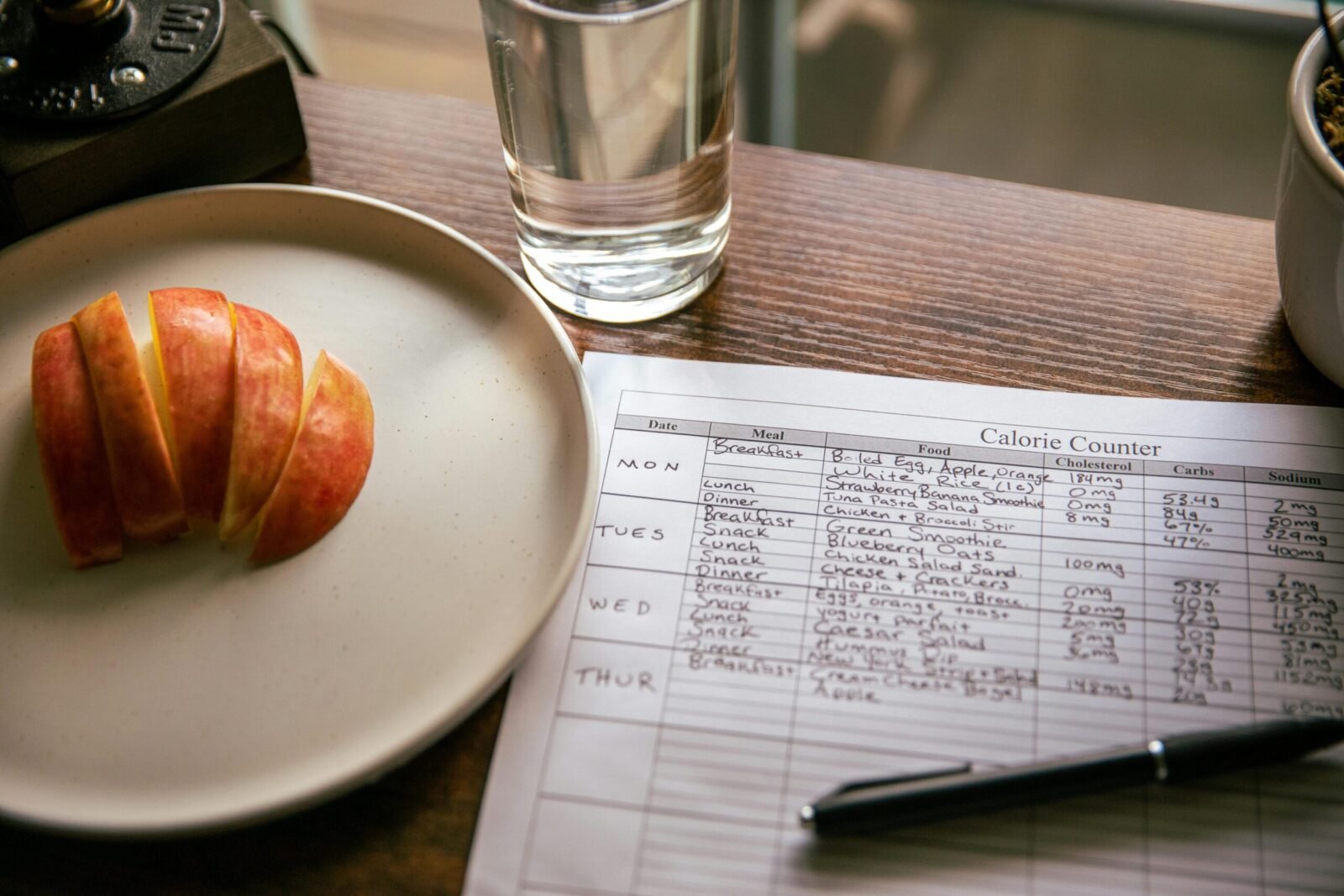
Eating healthy on a tight college budget might seem challenging, but with the right planning, you can enjoy nutritious, filling meals without overspending. A smart budget meal plan helps you save money, reduce food waste, and maintain energy for studies and daily life.
This SEO-friendly guide covers affordable meal ideas, weekly planning strategies, and cost-saving tips tailored for college students in 2026.
Why College Students Need a Budget Meal Plan
College life often comes with:
- Limited income
- Busy schedules
- Lack of cooking experience
A structured meal plan helps you:
- Avoid expensive takeout
- Eat healthier
- Manage time better
- Stick to a monthly budget
How to Build a Budget-Friendly Meal Plan
Creating a meal plan doesn’t have to be complicated. Follow these simple steps:
1. Set a Weekly Food Budget
Most college students can manage on $30–$70 per week depending on location and lifestyle.
2. Focus on Low-Cost Staple Foods
Affordable staples form the base of your meals:
- Rice
- Pasta
- Oats
- Eggs
- Beans & lentils
- Potatoes
- Frozen vegetables
- Peanut butter
- Bread
These foods are:
- Cheap
- Filling
- Versatile
3. Plan Meals Around Simple Recipes
Choose recipes with:
- Fewer ingredients
- Easy preparation
- Low cooking time
4. Cook in Batches (Meal Prep)
Cooking once and eating multiple times saves:
- Money
- Time
- Effort
7-Day Budget Meal Plan for College Students
Day 1
- Breakfast: Oatmeal with banana
- Lunch: Rice with beans and vegetables
- Dinner: Scrambled eggs with toast
Day 2
- Breakfast: Peanut butter sandwich
- Lunch: Pasta with tomato sauce
- Dinner: Vegetable stir-fry with rice
Day 3
- Breakfast: Boiled eggs and toast
- Lunch: Leftover stir-fry
- Dinner: Lentil soup with bread
Day 4
- Breakfast: Oats with peanut butter
- Lunch: Rice and egg curry
- Dinner: Baked potatoes with veggies
Day 5
- Breakfast: Banana smoothie
- Lunch: Pasta leftovers
- Dinner: Grilled cheese sandwich + soup
Day 6
- Breakfast: Toast with eggs
- Lunch: Bean burrito (homemade)
- Dinner: Fried rice with vegetables
Day 7
- Breakfast: Oatmeal
- Lunch: Leftover fried rice
- Dinner: Simple vegetable curry with rice
Cheap Grocery List for a Week
Here’s a sample low-budget shopping list:
- Rice (1–2 kg)
- Pasta (500g–1 kg)
- Eggs (1 dozen)
- Bread (1 loaf)
- Milk (or plant-based alternative)
- Oats
- Bananas (5–7)
- Potatoes
- Onions
- Frozen vegetables
- Canned beans or dried lentils
- Peanut butter
- Basic spices
Estimated cost: $30–$50
Easy Budget Recipes for Students
1. Rice & Beans Bowl
- Cook rice
- Add beans and spices
- Top with vegetables
Cheap, filling, and high in protein.
2. Egg Fried Rice
- Use leftover rice
- Add eggs and vegetables
- Stir-fry with soy sauce
Ready in under 15 minutes.
3. Pasta with Garlic & Oil
- Cook pasta
- Add garlic, oil, and chili flakes
Simple and extremely budget-friendly.
4. Lentil Soup
- Boil lentils with spices
- Add vegetables
Healthy, cheap, and lasts multiple meals.
Money-Saving Tips for College Students
Buy in Bulk
Staples like rice, oats, and beans are cheaper in bulk.
Choose Store Brands
Generic brands often cost less than name brands with similar quality.
Avoid Processed Foods
Packaged snacks and ready meals are expensive and less healthy.
Use Student Discounts
Many grocery stores offer special deals for students.
Limit Eating Out
Cooking at home can save hundreds of dollars monthly.
Healthy Eating on a Budget
Eating cheap doesn’t mean eating unhealthy. Focus on:
- Protein: eggs, beans, lentils
- Carbs: rice, oats, potatoes
- Fiber: vegetables, fruits
Balance is key for energy and focus.
Meal Prep Strategy for Busy Students
- Cook 2–3 meals in bulk
- Store in containers
- Rotate meals throughout the week
This saves time during exams and busy schedules.
Common Mistakes to Avoid
- Skipping meal planning
- Buying unnecessary snacks
- Wasting leftovers
- Relying too much on takeout
- Not tracking grocery spending
Final Thoughts
A well-planned budget meal plan helps college students save money, stay healthy, and reduce stress. With simple ingredients, smart shopping, and basic cooking skills, you can create meals that are both affordable and satisfying.
Consistency is the key—once you build the habit of planning and cooking, managing your food budget becomes much easier while improving your overall lifestyle.