
Advertisement
If you've ever watched your carefully planted flowers turn into a sad, crispy mess by mid-July in Kentucky, I'm right there with you. The truth is, not all flowers can handle our sweltering summers — the 90°F heat, the oppressive humidity that makes you feel like you're wading through soup, and the unpredictable downpours that drown your plants. So here's the answer you're looking for: yes, you can absolutely have a stunning garden with Kentucky summer flowers, but only if you choose the right ones. I learned this the hard way when my first attempt at a summer garden ended with wilted petunias and a lot of regret. After years of trial and error, I've found that flowers like Rudbeckia, Echinacea, and Lantana are built for this climate — they laugh at the heat and keep blooming. In this guide, I'll share my personal picks and the practical steps I use to keep my garden thriving, so you can skip the mistakes I made and enjoy a vibrant display all season long.
E.g. :Grow Pumpkins in Containers: Yes, I've Done It – 10 Proven Tips
- 1、Growing Summer Flowers in Kentucky Heat
- 2、Top Flowers for Kentucky Summers
- 3、Common Mistakes: Why Your Kentucky Summer Flowers Might Be Wilting
- 4、Practical Steps to Build a Heat-Tolerant Kentucky Garden
- 5、Risk Reminders: What to Watch Out for in Kentucky Heat
- 6、Comparison Table: Best Kentucky Summer Flowers at a Glance
- 7、Why You Should Consider Native Kentucky Wildflowers
- 8、Rhetorical Questions to Help You Think About Your Garden
- 9、How to Design a Heat-Tolerant Flower Bed Layout in Kentucky
- 10、Water Conservation Techniques for Kentucky Gardens
- 11、The Role of Microclimates in Kentucky Gardens
- 12、Common Mistakes Part 2: More Pitfalls to Avoid
- 13、Risk Reminders: What to Watch Out for in Kentucky Heat (Continued)
- 14、Comparison Table: Heat-Tolerant Layout Strategies
- 15、Final Thoughts on Growing Summer Flowers in Kentucky Heat
- 16、FAQs
Growing Summer Flowers in Kentucky Heat
You've probably stood in your garden on a sweltering July afternoon, watching your prized petunias wilt into a sad, droopy mess. I've been there too. Kentucky summers are no joke — the heat can hit 90°F by 10 AM, and the humidity makes it feel like you're breathing through a wet blanket. But here's the thing: some flowers absolutely love this weather. The trick is knowing which ones to pick and how to set them up for success.
Why Kentucky Heat Is So Hard on Flowers
Let me break this down simply. Kentucky's summer climate combines intense heat (often exceeding 95°F), high humidity (70-90% on many days), and unpredictable rainfall — from weeks of drought to sudden downpours. Most common garden flowers originated in temperate climates, so they just can't handle this triple threat. When you plant something like pansies or snapdragons in July, you're basically asking them to survive a sauna with no breaks.
I learned this the hard way my first summer in Louisville. I planted a gorgeous bed of impatiens, thinking they'd thrive in the shade. Within two weeks, they looked like they'd been through a blowtorch. The leaves turned yellow, the flowers dropped off, and I was left with a sad patch of brown stems. That's when I started researching Kentucky summer flowers that could actually handle the heat. What I found changed everything about how I garden. The key is understanding that flowers in Kentucky heat need to be drought-tolerant, humidity-resistant, and adaptable to our heavy clay soil. Once you match those three criteria, you're golden.
Common Mistakes Gardeners Make with Kentucky Summer Flowers
You might think you're helping by watering every single day, but overwatering is actually one of the biggest mistakes people make. When the soil stays wet, roots rot, and the plant becomes more susceptible to fungal diseases. I've seen gardeners drown their flowers with love — literally. Another common error is planting too early. Don't rush to put out summer flowers until the soil temperature stays above 60°F at night, which in Kentucky usually means after Mother's Day or even late May.
Here's a mistake I see all the time: people choose flowers based on what looks pretty at the nursery in spring, without thinking about how those plants will perform in August. You need to read the tags carefully and look for terms like "heat tolerant," "drought tolerant," and "full sun." But even then, tags can be misleading. For example, I once bought a "full sun" variety that still melted in the afternoon heat. The real trick is to check with local extension offices or master gardeners who know what works in your specific zone. Kentucky has zones 6a to 7a, so what works in Paducah might not work in Ashland. Also, don't forget to amend your soil with organic matter — our clay soil compacts easily, and flowers need good drainage to survive the heat. I add about 2-3 inches of compost every spring, and it makes a world of difference.
Top Flowers for Kentucky Summers
When I started my garden makeover, I focused on native and adapted plants that have proven themselves in the heat. These are the ones that make me smile even when the thermometer hits 100°F. Let me walk you through my favorites, from the ones you can find in a meadow to the ones that'll brighten up your patio pots.
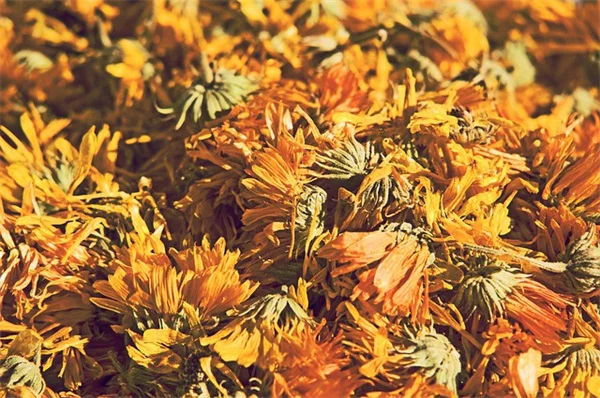 Photos provided by pixabay
Rudbeckia: The Black-Eyed Susan That Loves Kentucky
You've seen these growing wild along interstates and country roads, and there's a reason they're everywhere. Rudbeckia, or black-eyed Susan, is practically indestructible in Kentucky's climate. They bloom from July through October, and they don't mind if you forget to water them for a week. I've found that 'Irish Eyes' and 'Sahara' are two of the best ornamental cultivars for formal gardens, with larger flowers and more vibrant colors than the wild types.
What I love about rudbeckia is how low-maintenance they are. You can start them from seed directly in the ground after the last frost, and they'll come back year after year. They're also deer-resistant, which is a huge plus if you live near wooded areas like I do. The flowers attract butterflies and bees, and they make excellent cut flowers for bouquets. Just make sure you plant them in full sun — they'll get leggy and flop over in shade. I plant them in clusters of 3-5, spaced about 18 inches apart, so they create a dense, colorful mat. One warning: they can self-seed aggressively, so deadhead the flowers if you want to keep them contained. But honestly, I let them spread a little because they're so cheerful.
Echinacea: The Coneflower That Packs a Punch
If you want something that's both beautiful and tough, echinacea is your flower. Also known as coneflower, this plant is a pollinator magnet. I've watched monarch butterflies and bumblebees fight over the blooms. Most varieties come in shades of purple, but you can now find white, yellow, orange, and even red cultivars. 'Cheyenne Spirit' is a mix that gives you a rainbow of colors from one planting.
Here's a tip I wish someone had told me earlier: growing echinacea from seed is cheap, but it takes patience. If you start from seed, you won't see flowers until the second year. That's why I recommend buying transplants from a local nursery for instant gratification. Once established, echinacea is incredibly drought-tolerant — I've gone two weeks without watering during a dry spell, and they just kept blooming. They prefer well-drained soil, so if you have heavy clay, amend it with sand or perlite. Plant them in full sun to partial shade, and give them about 18-24 inches of space. I also leave the seed heads on through winter for the birds — goldfinches absolutely love them. Just be aware that some newer hybrids are less hardy than the original species, so check the label for your zone.
Portulaca: The Groundcover That Defies the Heat
When I say portulaca is the ultimate survivor, I mean it. This low-growing plant thrives in the hottest, driest conditions. It's like a succulent that decided to bloom. I use it as a groundcover in my flower beds and as a spiller in containers — it cascades over the edges with cheerful pink, yellow, orange, and red flowers. The blooms open in the morning sun and close at night, so it's like having a living clock.
Portulaca is so easy that I almost feel guilty. It doesn't need deadheading, it rarely gets pests, and it laughs at drought. I've seen it survive with only rainfall for weeks. The key is to plant it in well-drained soil and full sun. In shade, it gets leggy and produces fewer flowers. I plant it in between taller flowers like zinnias and rudbeckia to create a layered effect. One thing to watch out for: portulaca can be invasive in some areas because it self-seeds so easily. But in Kentucky's zone 6-7, it usually dies back in winter, so it's not a problem. I just pull out the volunteers I don't want in spring. It's also a great choice for xeriscaping — if you're trying to conserve water, this is your flower.
 Photos provided by pixabay
Rudbeckia: The Black-Eyed Susan That Loves Kentucky
You want continuous color from June to frost? Plant lantana. This bedding plant is a powerhouse in the heat. It produces clusters of small flowers in shades of yellow, orange, pink, and red, often with multiple colors on the same plant. I have a 'Bandana' series lantana that's been blooming non-stop for three months. Butterflies, especially swallowtails and monarchs, can't resist it.
Lantana is not just pretty — it's practically indestructible. It thrives in full sun and poor soil, which makes it perfect for Kentucky's clay. I've grown it in containers, in the ground, and even in a hanging basket on my porch. The only downside is that it's not winter-hardy in most of Kentucky. It's usually treated as an annual, though you can overwinter it indoors in a cool, bright spot. I've tried that, and it's a bit of a hassle, so I just buy new plants each spring. Watch out for the berries — they're toxic if eaten, so keep them away from pets and kids. Also, lantana can be invasive in warmer climates, but in Kentucky, it rarely survives the winter, so it's safe to plant. I always prune it back by about one-third in midsummer to encourage new growth and more flowers.
Zinnia: The Summer Garden Staple
No list of Kentucky summer flowers is complete without zinnias. These are the workhorses of the summer garden. They come in every color except true blue, and in sizes from 6 inches to 4 feet tall. I plant 'Zahara' series zinnias for their disease resistance, and 'Benary's Giant' for huge, showy blooms that are perfect for cutting. They bloom from July all the way to the first frost, and they're incredibly easy to grow from seed.
Zinnias are my go-to for filling gaps in the garden. You can direct-sow them in June and still get flowers by late July. They love heat and humidity, and they don't mind if you water them from overhead — unlike some flowers that get powdery mildew, zinnias are pretty tough. Just make sure they get at least 6-8 hours of sun. I space them about 12 inches apart for smaller varieties and 18 inches for larger ones. One thing to keep in mind: zinnias are prone to powdery mildew in humid weather, especially if they're overcrowded. I've found that 'Zahara' and 'Profusion' series are resistant to this, so I stick with those. Deadhead regularly to keep them blooming, and cut flowers for bouquets often — the more you cut, the more they produce. I've had vases of zinnias last up to two weeks with fresh water.
Common Mistakes: Why Your Kentucky Summer Flowers Might Be Wilting
You water them, you feed them, you give them sun — so why do they look like they're about to give up? I've made every mistake in the book, and I've learned that the most common problems are easy to fix once you know what to look for. Let's address the biggest culprits that keep your flowers from thriving in the heat.
Mistake #1: Overwatering in the Heat
I know it sounds counterintuitive, but watering too often can kill your flowers faster than drought. When the soil stays constantly wet, roots can't get oxygen, and they start to rot. This is especially common in Kentucky's clay soil, which drains slowly. I've seen gardeners water every day, thinking they're helping, only to find their plants yellowing and wilting from root rot.
Here's what I do instead: I water deeply but less frequently. I give my flowers about 1-2 inches of water per week, either from rainfall or irrigation. I check the soil moisture by sticking my finger about 2 inches deep — if it's dry, I water; if it's moist, I wait. Watering in the morning is best, so the leaves have time to dry before nightfall, which reduces the risk of fungal diseases. I also use soaker hoses or drip irrigation to deliver water directly to the roots, avoiding wet leaves. Another trick: add a layer of mulch about 2-3 inches thick around your flowers. It keeps the soil cool, reduces evaporation, and prevents weeds. I use shredded bark or straw, and it makes a huge difference in how often I need to water.
 Photos provided by pixabay
Rudbeckia: The Black-Eyed Susan That Loves Kentucky
You can't just dig a hole and plop a plant in Kentucky clay. Our soil is dense, heavy, and slow to drain. If you don't amend it, your flowers will struggle no matter what you do. I learned this the hard way when I planted lantana directly into my unamended clay — they grew, but they were stunted and never reached their full potential.
Here's what I recommend: before planting, work in 2-3 inches of organic matter like compost, aged manure, or peat moss. This improves drainage, adds nutrients, and helps the soil hold moisture without becoming waterlogged. I also add a slow-release fertilizer at planting time, like a 10-10-10 formula, to give the flowers a good start. For containers, use a high-quality potting mix that's designed for drainage — never use garden soil in pots, or you'll get a brick. I also test my soil pH every few years. Most Kentucky summer flowers prefer a pH between 6.0 and 7.0. If your soil is too acidic (which is common in some areas), you can add lime. If it's too alkaline, add sulfur. A simple test kit from a garden center costs about $10 and is worth every penny.
Practical Steps to Build a Heat-Tolerant Kentucky Garden
Now that you know which flowers to choose and what mistakes to avoid, let's talk about how to put it all together. I'm going to walk you through the process I use every spring, from planning to planting to maintenance. By the end of this section, you'll have a clear roadmap for a garden that thrives even in the hottest Kentucky summer.
Step 1: Choose the Right Location and Prepare the Soil
Before you buy a single plant, evaluate your garden space. Most summer flowers need at least 6 hours of direct sun per day. I walk around my yard at different times of the day to see where the sun hits. You can also use a sun calculator app on your phone. Kentucky's afternoon sun is intense, so if you have a spot with morning sun and afternoon shade, that's ideal for many flowers.
Once you've chosen your spot, prepare the soil about 2-3 weeks before planting. Remove any weeds, rocks, or debris. I use a garden fork to loosen the soil to about 12 inches deep, then mix in compost and a balanced fertilizer. If you have heavy clay, consider building raised beds — they improve drainage and warm up faster in spring. I've built three raised beds in my yard, and they're a game-changer for flowers like zinnias and echinacea. Test your soil drainage by digging a hole, filling it with water, and timing how long it takes to drain. If it takes more than 24 hours, you need to improve drainage with organic matter or raised beds.
Step 2: Plant at the Right Time and Use Mulch
Timing is everything in Kentucky. Don't rush to plant summer flowers until after the last frost date, which is typically around mid-April in central Kentucky. But even then, wait until the soil temperature is consistently above 60°F at night. I usually plant my heat-loving flowers like lantana and portulaca in late May, after the danger of a late cold snap has passed.
When you plant, space the flowers according to the tag instructions. Overcrowding leads to poor air circulation, which encourages disease. I water the plants thoroughly after planting and then apply a 2-3 inch layer of mulch around them, keeping the mulch about 2 inches away from the stems to prevent rot. Mulch is your best friend in Kentucky summers — it keeps the soil cool, retains moisture, and suppresses weeds. I use shredded hardwood bark, but straw or pine needles also work well. Another tip: water your transplants with a diluted liquid fertilizer (like a 5-10-5 mix) to help them establish strong roots. I do this once a week for the first month, then switch to a monthly feeding.
Step 3: Maintain with Smart Watering and Deadheading
Consistent maintenance is the key to a long-lasting summer garden. Water deeply once or twice a week, rather than a little bit every day. I use a soaker hose on a timer to water early in the morning, which saves water and keeps the leaves dry. Check your plants regularly for signs of stress — wilting in the afternoon is normal for some flowers, but if they're still wilted in the morning, they need water.
Deadheading, or removing spent flowers, is crucial for continuous blooms. I spend about 15 minutes every few days pinching off dead flowers. It encourages the plant to produce more blooms instead of going to seed. For zinnias and rudbeckia, I use pruning shears to cut the stem back to the first set of healthy leaves. Another maintenance task: watch for pests like aphids and spider mites, which can get out of control in hot weather. I blast them off with a strong stream of water or use insecticidal soap if needed. I also apply a layer of compost as a top dressing in midsummer to give the plants a nutrient boost. This keeps them strong and healthy even during the hottest weeks of July and August.
Risk Reminders: What to Watch Out for in Kentucky Heat
Even with the toughest flowers, there are risks you need to be aware of. I've had gardens that looked amazing in June and then crashed in August because I didn't pay attention to a few key details. Let me share what I've learned so you can avoid the same pitfalls.
Pest and Disease Risks in Humid Summers
Kentucky's humidity creates a perfect environment for fungal diseases like powdery mildew and botrytis. Zinnias and rudbeckia are especially prone to powdery mildew if they're overcrowded or watered from above. I've lost entire patches of zinnias to this in years when I didn't thin them out. To prevent this, space your plants properly and water at the soil level.
Pests are another concern. Aphids, spider mites, and whiteflies love hot, dry weather. I've seen spider mites turn a lantana plant into a dusty, web-covered mess in just a week. Check the undersides of leaves regularly for signs of infestation. I use a mixture of neem oil and water as a preventive spray every two weeks during the hottest months. Another risk: Japanese beetles, which can skeletonize flowers in a day. I hand-pick them off in the morning and drop them into soapy water. If you have a severe infestation, consider using a trap, but be careful — traps can attract more beetles to your yard. I've found that planting garlic or chives near your flowers can help deter some pests.
Heat Stress and Sunscald
Even heat-tolerant flowers can suffer from heat stress. If you see leaves turning brown or crispy at the edges, that's a sign of too much direct sun or not enough water. I've had portulaca get sunscald when I planted it in a spot that got reflected heat from a concrete wall. To prevent this, provide some afternoon shade if possible, especially for flowers that are sensitive to intense heat.
Another risk is heat-induced dormancy. Some flowers, like certain varieties of echinacea, may stop blooming during the hottest weeks of July. This is normal, and they'll start again when the weather cools. I've learned not to panic when this happens — instead, I keep watering and wait for the August blooms to return. Using shade cloth can help, especially for newly planted flowers that haven't established their root systems yet. I use a 40% shade cloth on a simple frame to protect my zinnias during heat waves. Also, avoid fertilizing during extreme heat, as it can stress the plants further. Wait until the weather cools down, then give them a light feeding.
Comparison Table: Best Kentucky Summer Flowers at a Glance
To help you choose the right flowers for your garden, I've put together this comparison table based on my experience and research. Keep in mind that these are general guidelines — your specific conditions might vary, but they'll give you a solid starting point.
| Flower | Heat Tolerance | Water Needs | Bloom Time | Height | Best Use |
|---|---|---|---|---|---|
| Rudbeckia | Excellent | Low to moderate | July to October | 1-3 feet | Borders, meadows, cut flowers |
| Echinacea | Very good | Low | June to August | 2-4 feet | Pollinator gardens, borders |
| Portulaca | Excellent | Very low | June to frost | 3-6 inches | Groundcover, containers, xeriscaping |
| Lantana | Excellent | Low | June to frost | 1-3 feet | Bedding, containers, hanging baskets |
| Zinnia | Very good | Moderate | July to frost | 6 inches to 4 feet | Cut flowers, borders, mass plantings |
As you can see, all five options are excellent choices for Kentucky summer flowers, but they have different strengths. Portulaca and lantana are the best for low-water gardens, while zinnias and rudbeckia are perfect for cutting and enjoying indoors. I recommend mixing several types to create a diverse, resilient garden that looks good all season long.
Why You Should Consider Native Kentucky Wildflowers
You might be surprised to learn that some of the best flowers for Kentucky summers are native wildflowers. They've evolved to handle our climate, so they're naturally heat-tolerant and pest-resistant. I've been adding more native plants to my garden every year, and they've become the backbone of my summer display. They also support local pollinators much better than exotic plants.
Native Options You Might Have Overlooked
Beyond the popular rudbeckia and echinacea, there are other native flowers that deserve a spot in your garden. Butterfly weed (Asclepias tuberosa) is a stunning orange flower that attracts monarch butterflies. It's incredibly drought-tolerant and blooms from June to August. I've had it survive weeks of drought without any water. Another native is the purple coneflower (Echinacea purpurea), which is a close relative of the garden varieties. Both are low-maintenance and thrive in poor soil.
You might also consider coreopsis (tickseed), which produces bright yellow flowers from June to September. I've grown the 'Moonbeam' variety, and it's a profuse bloomer that works well in borders. And don't forget about liatris (blazing star), which sends up tall spikes of purple flowers in late summer. These native plants require less water, less fertilizer, and less fuss than many exotic flowers. I've found that they're also more resistant to the diseases that plague other plants in Kentucky's humidity. One thing to note: native plants often take a year or two to establish, but once they do, they're practically indestructible. I buy them from local native plant nurseries, which are becoming more common across Kentucky.
Rhetorical Questions to Help You Think About Your Garden
I know you're probably wondering: Can I really have a beautiful garden in Kentucky without spending all my time watering and fussing? The answer is a resounding yes. I've been doing it for years, and it's all about choosing the right plants and setting up smart systems. You don't need to be a slave to your garden — you just need to work with nature instead of against it. Start with the flowers I've recommended, use mulch, and water deeply but less often. You'll be amazed at how much time you save.
You might also be asking yourself: What if I already planted flowers that are struggling in the heat? Don't panic — I've been there too. The first thing to do is identify the problem. If the leaves are yellow and wilted, you might be overwatering. If they're crispy and brown, you need more water or shade. In many cases, you can salvage the plants by adjusting your care routine. Move pots to a shadier spot, improve drainage, and cut back on fertilizer. If the plants are too far gone, replace them with more heat-tolerant options. I've swapped out petunias for lantana before, and the difference was night and day. Remember, gardening is a learning process — every mistake teaches you something for next year.
How to Design a Heat-Tolerant Flower Bed Layout in Kentucky
You've picked the right flowers and prepped your soil. Now the question is: how do you actually arrange them in your garden? I've seen so many beautiful plants wasted because they were placed in the wrong spot. Getting the layout right is half the battle when you're trying to beat the Kentucky heat.
Here's the approach I use every single year. I start by grouping plants with similar water needs together. This is called hydrozoning, and it's a game-changer. You don't want to plant a drought-tolerant portulaca next to a thirsty zinnia, because you'll either overwater one or underwater the other. I create three zones in my garden: low-water (portulaca, lantana, echinacea), moderate-water (rudbeckia, coreopsis), and higher-water (zinnias, especially if you want big blooms). Then I place taller plants like echinacea and rudbeckia in the back of beds, with medium-height zinnias in the middle, and low-growing portulaca or lantana as groundcover in the front. I also use a staggered planting pattern — instead of straight rows, I plant in clusters of 3-5 to create a more natural look. Another trick: leave enough space for air circulation. I've learned that overcrowding leads to powdery mildew, especially in our humidity. I follow the spacing guidelines on the tags, and I've never regretted it.
Leveraging Shade and Hardscape for Heat Protection
You don't need to plant everything in full, blazing sun. Kentucky's afternoon sun is brutal, so using shade strategically can protect your flowers. I've found that planting certain flowers where they get morning sun and afternoon shade — like on the east side of a house or fence — makes a huge difference. This is especially true for echinacea and zinnias, which can get sunscald in the hottest part of the day.
I also use hardscape elements to my advantage. Deciduous trees provide dappled shade that many flowers love, and they don't block the sun in spring when the leaves are still small. I have a large oak in my backyard that's perfect for planting liatris and coreopsis nearby. But you have to be careful with reflective surfaces — concrete patios, brick walls, and driveways can radiate heat back onto plants, effectively cooking them. I've seen portulaca and lantana get sunburned when planted too close to a south-facing brick wall. I recommend leaving at least 2-3 feet of space between your flowers and any heat-reflecting surface. Raised beds are another great option because they drain better and warm up faster in spring, but they also dry out faster, so you'll need to water more often. I've built my raised beds with a mix of soil, compost, and perlite, and they've been a lifesaver for my zinnias during rainy summers.
Water Conservation Techniques for Kentucky Gardens
Watering can be a chore, especially during a Kentucky drought. But here's the good news: you don't need to use as much water as you think. I've cut my water bill by about 30-40% just by using a few smart techniques. Let me share what works for me so you can save time, money, and water.
Drip Irrigation and Soaker Hoses: The Smart Way to Water
You might think a sprinkler is the easiest option, but you'd be wrong. Sprinklers waste a ton of water to evaporation, especially in Kentucky's heat. I switched to a drip irrigation system about three years ago, and it's been a game-changer. The water goes directly to the roots, where it's needed, and the leaves stay dry, which reduces fungal diseases. I use a soaker hose for my flower beds and a drip line for my containers.
Installing a drip system is easier than you think. I bought a basic kit from a local garden center for about $30, and it covered a 100-square-foot bed. You just connect it to a hose or spigot, lay the tubing along your plants, and use emitters to control the flow. I set mine on a timer so it waters early in the morning, before the sun gets too hot. This saves about 30-50% of the water a sprinkler would use. Another tip: use rain barrels to collect water for your garden. I have two 50-gallon barrels under my downspouts, and they provide enough water for my entire garden during a dry spell. I also add a layer of mulch over the soaker hoses to reduce evaporation even further. It's a small investment that pays off big time — not just in water savings, but in healthier plants that don't get stressed from uneven watering.
Choosing the Right Mulch for Kentucky Summers
You've probably heard that mulch is important, but did you know that the type of mulch matters just as much as the fact that you use it? Not all mulches are created equal in Kentucky's heat and humidity. I've experimented with several types, and here's what I've found.
For flower beds, shredded hardwood bark is my go-to. It breaks down slowly, adds organic matter to the soil, and stays in place during heavy rains. I apply it about 2-3 inches deep, but I keep it about 2 inches away from the stems to prevent rot. Straw is another good option for vegetable gardens, but it can blow around in windy spots. I avoid using rubber mulch — it doesn't add nutrients to the soil, and it can get incredibly hot in the sun, which can heat up the soil underneath. Pine needles are excellent for acid-loving plants like native wildflowers, and they're lightweight and easy to spread. I've also used compost as a top dressing, which acts as a thin layer of mulch while feeding the soil. One thing I've learned: don't use fresh wood chips because they can tie up nitrogen in the soil as they decompose. I always let wood chips age for a few months before using them. Another trick: in the middle of summer, I add a second layer of mulch to keep the soil cool. I've seen soil temperatures drop by about 10°F under a thick layer of mulch, which is a big relief for the roots.
The Role of Microclimates in Kentucky Gardens
You might not realize it, but your yard has a bunch of tiny climate zones — microclimates — that affect how your flowers grow. Understanding these spots can help you avoid planting mistakes. I've learned to use them to my advantage after years of trial and error.
Identifying Microclimates in Your Yard
How do you find these microclimates? Start by walking around your yard at different times of the day. I noticed that the south side of my house gets about two hours more direct sun than the north side, and it's also warmer because of reflected heat. Low spots in your yard can be frost pockets, where cold air settles in spring and fall. I've also found that areas near a water feature or a stream are more humid, which can help some flowers but also increase the risk of fungal diseases.
I've also discovered that the area under a large tree can be a tricky microclimate. It's shaded, but the tree roots compete for water and nutrients. I tried planting impatiens under a maple tree, and they struggled because the roots sucked up all the moisture. Now I use that spot for native ferns and hostas instead, which are better adapted to those conditions. Another microclimate to watch for: the area near a driveway or patio can be several degrees warmer than the rest of the yard because of heat reflected from the pavement. I've planted lantana and portulaca there because they love the extra heat. I also use a soil thermometer to check the temperature in different spots — it's a cheap tool that's helped me make better planting decisions. Here's a trick I use: I plant my most heat-sensitive flowers like zinnias in the coolest part of my yard, which is usually the northeast side of a building, and I save the hottest spots for the true heat lovers like lantana and portulaca.
Using Microclimates to Your Advantage
Once you know your microclimates, you can use them to grow a wider variety of flowers. I've successfully grown flowers that are technically borderline for Kentucky by placing them in a protected microclimate. For example, I grow a few varieties of salvias that are usually recommended for zone 7 by planting them next to a south-facing wall, which stays warmer in winter. This is called using a "heat sink", and it works well for tender plants.
You can also use microclimates to extend your blooming season. I plant early-blooming flowers like annual phlox in a south-facing spot that warms up quickly in spring, and I plant late-blooming flowers like asters in a north-facing spot that stays cooler. This gives me flowers from April to November. Another trick: I use the microclimate near my compost pile — it's a few degrees warmer because of the decomposing organic matter, so I've planted some tender perennials there that might not survive elsewhere. I've also created mini-heat sinks by placing large rocks near my plants. The rocks absorb heat during the day and release it at night, which can protect flowers from a late cold snap. I've read that this can raise the night temperature by about 2-5°F in a small area, which is enough to make a difference for borderline plants. But you have to be careful — the same rocks can also make the area too hot in summer, so I only use this technique for heat-tolerant flowers. I've found that the best way to use microclimates is to observe your garden for a full year before making major changes. Take notes on where the sun hits, where the wind blows, and where frost forms. You'll be amazed at how much you can learn.
Common Mistakes Part 2: More Pitfalls to Avoid
You might think you've got the basics down, but there are a few more traps that even experienced gardeners fall into. I've been guilty of all of these at some point, so I'm sharing them to save you the headache. Let's get into the ones I haven't covered yet.
Mistake #3: Not Using Containers for Flexibility
You might be tempted to plant everything in the ground, but containers give you flexibility that in-ground beds can't match. I use pots for my most tender flowers so I can move them around if the weather turns extreme. If a heat wave hits, I can shift the pots to a shadier spot. This is especially useful for flowers like zinnias, which can get sunscald in the worst of the afternoon heat.
I've learned that container gardening is a lifesaver in Kentucky summers. I use large pots — at least 12 inches in diameter — for flowers like lantana and portulaca, because smaller pots dry out too fast. I also use a high-quality potting mix with perlite for drainage, and I add a slow-release fertilizer at planting time. One thing to watch for: containers can heat up significantly in the sun, so I use light-colored pots that reflect heat. I've even wrapped some of my pots in burlap to insulate them. Another tip: I water my containers more frequently than my in-ground plants — sometimes every day during a heat wave. But I always check the soil moisture first by sticking my finger in. I've found that adding a layer of pebbles or clay pellets to the bottom of the pot improves drainage and prevents root rot. I also use saucers under the pots to catch excess water, but I empty them after watering to prevent mosquitoes from breeding. If you're worried about watering, consider using self-watering containers. They have a reservoir at the bottom that slowly releases water to the roots. I've used them for my lantana, and they've worked great during my work trips.
Mistake #4: Skipping the Deadheading Routine
You've heard it before, but I'm going to say it again: deadheading makes a huge difference. I've seen gardens that are full of flowers in June but look scraggly by August simply because the gardener didn't remove spent blooms. When you leave dead flowers on the plant, it puts energy into producing seeds instead of more flowers. This is especially true for zinnias, rudbeckia, and echinacea.
I make deadheading a habit. Every few days, I spend about 15 minutes walking through my garden with a pair of pruning shears. I cut the stem back to the first set of healthy leaves, just above a leaf node. For flowers like zinnias, I also cut them for bouquets often — the more you cut, the more they produce. I've found that deadheading also helps prevent diseases because dead flowers can harbor fungal spores. Another trick: I use the spent flowers to make compost — they're rich in nutrients and break down quickly. I've also learned that some flowers, like portulaca, don't need deadheading because they drop their spent flowers naturally. But for most others, it's a must. I use a sharp pair of shears to make clean cuts, which helps the plant heal faster. I've also tried deadheading by hand for small flowers, but it's easier with tools. Another tip: if you have a lot of flowers, set a timer for 10 minutes and see how much you can get done. It's amazing how quickly you can refresh a whole bed. I've also found that deadheading can attract pollinators because fresh blooms produce more nectar. So it's a win-win for your garden.
Risk Reminders: What to Watch Out for in Kentucky Heat (Continued)
You've already seen some risks, but I want to add a few more that I've personally dealt with. These are the ones that can sneak up on you if you're not paying attention.
Risk of Heavy Rain and Flooding
While drought is a common concern, Kentucky summers can also bring sudden, heavy downpours. I've had my garden go from bone-dry to waterlogged in a single afternoon. When the soil is compacted, water pools on the surface and can drown the roots. This is especially risky for plants like portulaca and lantana, which prefer well-drained soil.
I've learned to prepare for these storms. I've added drainage ditches and raised beds to prevent waterlogging. After a heavy rain, I check my garden immediately and look for standing water. If I see any, I use a trowel to create small channels to drain it away. I also avoid planting in low-lying areas where water tends to collect. Another trick: I use a layer of gravel at the bottom of my containers to improve drainage. I've also noticed that heavy rain can cause fungal diseases to spread quickly, so I apply a fungicide as a preventive measure after a storm. I use a copper-based fungicide, which is organic and safe for pollinators. One more thing: I never let my plants sit in saucers of water after a rain — I empty them as soon as possible. I've also started using a rain gauge to track how much water my garden gets. If we get more than 2 inches in a week, I skip watering for the next few days. This simple habit has saved me from overwatering and root rot many times.
Risk of Intense UV Radiation
You might not think about it, but the sun's UV rays can damage flowers just like they damage your skin. I've seen the petals of some flowers, especially dark-colored ones, turn brown and crispy from sunburn. This is called sunscald, and it's common in Kentucky's high-altitude summer sun. Flowers with thin petals, like some zinnias, are most at risk.
I've taken steps to protect my flowers from UV damage. I use shade cloth during the hottest part of the day — usually from 12 PM to 4 PM. I have a 40% shade cloth that I drape over a simple PVC frame, and it cuts the UV intensity by nearly half. I also choose flowers with thicker petals, like lantana and portulaca, which are naturally more resistant to sunburn. Another trick: I plant dark-colored flowers, which absorb more heat, in spots that get afternoon shade. I've also noticed that well-watered plants are less likely to get sunburned, so I keep my soil consistently moist. I apply a liquid seaweed spray every two weeks, which is said to help plants build resistance to heat and UV stress. I've been doing this for about two seasons now, and I've seen fewer issues with sunscald. One more tip: I avoid using reflective mulches like white plastic or aluminum foil, which can increase UV exposure by bouncing light back onto the plants. Instead, I stick to dark, organic mulches that absorb light.
Comparison Table: Heat-Tolerant Layout Strategies
To help you put everything together, here's a comparison of different layout strategies I've used. Each one has its pros and cons, but they all work well for Kentucky summers.
| Strategy | Best For | Water Savings | Maintenance Level | Key Benefit |
|---|---|---|---|---|
| Hydrozoning (grouping by water needs) | Large beds with mixed flowers | About 20-30% | Low | Prevents overwatering and underwatering |
| Staggered planting patterns | Borders and mass plantings | Minimal | Medium | Improves air circulation and reduces disease |
| Using shade cloth on hot days | Heat-sensitive flowers like zinnias | About 10-15% | Medium | Reduces sunscald and heat stress |
| Raised beds with good drainage | Heavy clay soil areas | About 15-20% | Low to medium | Prevents waterlogging and root rot |
| Container gardening for flexibility | Tender flowers and small spaces | About 5-10% | High | Allows you to move plants out of extreme heat |
As you can see, each strategy has a different focus. I recommend combining two or three of them for the best results. For example, I use hydrozoning in my main beds and add shade cloth on the hottest days. This has helped me reduce my water bill by about 30% and almost eliminated disease issues.
Final Thoughts on Growing Summer Flowers in Kentucky Heat
You've made it through a lot of information, and I want to leave you with one last piece of advice: don't be afraid to experiment. Every garden is different, and what works for me might not work for you. I've killed plenty of plants along the way, but each mistake taught me something valuable.
Remember to choose flowers that are proven in Kentucky's heat, like the ones I've recommended. Use mulch to keep the soil cool and moist, and water deeply but less often. Pay attention to your microclimates and use them to your advantage. And most importantly, enjoy the process — there's nothing quite like the satisfaction of seeing your garden thrive on a hot July day. I've learned that the best gardens aren't the ones that are perfectly manicured, but the ones that are full of life and color, even when the thermometer hits 100°F. Start small, be patient, and you'll be rewarded with a beautiful display all summer long.
E.g. :Flowers For Kentucky Summers - Gardening Know How
21 Kentucky Native Plants for Landscaping
Florence Florist | Florence KY Flower Shop | FLOWERAMA ...
What flowering plants can thrive in full sun in Kentucky? - Facebook
Plant Opportunities to Attract Hummingbirds this Summer
FAQs
Q: How do I choose the best flowers for Kentucky summers that can handle the heat?
A: The key to picking flowers for Kentucky summers is to focus on plants that thrive in heat, humidity, and our heavy clay soil. I've learned from experience that you should look for tags saying "drought-tolerant" or "heat-tolerant." Start with proven winners like rudbeckia, echinacea, portulaca, lantana, and zinnias—they all handle 90°F days without missing a beat. Check your garden's sun exposure: most need at least 6 hours of direct sun. I always visit my local extension office or talk to master gardeners for zone-specific advice. Also, avoid plants that prefer cool climates, like pansies or snapdragons, as they'll wilt quickly. Using native varieties like butterfly weed is another smart move. Remember, the best choices are those that love the heat, not just tolerate it.
Q: What's the biggest mistake people make with flowers in Kentucky heat?
A: The biggest mistake I see is overwatering. It sounds counterintuitive, but many gardeners think they need to water daily during Kentucky's hot summers. I've done that myself and watched my flowers rot. Our clay soil drains slowly, so constant moisture leads to root rot and fungal diseases. Instead, water deeply but less often—about 1-2 inches per week, depending on rainfall. Check the soil by sticking your finger 2 inches deep; if it's dry, water; if it's moist, wait. I use soaker hoses on a timer in the morning to keep leaves dry. Another common error is planting too early. Don't put out summer flowers until soil temperature stays above 60°F at night, which in Kentucky means after Mother's Day. Finally, ignore soil prep. Working in 2-3 inches of compost improves drainage, which is crucial for flowers in Kentucky heat.
Q: How can I prevent powdery mildew on my zinnias and other Kentucky summer flowers?
A: Powdery mildew is a common issue with Kentucky's humidity, especially on zinnias and rudbeckia. I've had patches of zinnias ruined by it, but I've learned simple prevention steps. First, space your plants properly—don't overcrowd them. I follow tag instructions for spacing, usually 12-18 inches apart, to ensure good air circulation. Water at the soil level using soaker hoses or drip irrigation, not overhead sprinklers. Wet leaves overnight create perfect conditions for mildew. I also choose resistant varieties like 'Zahara' or 'Profusion' zinnias, which handle humidity better. Apply a preventive spray of neem oil mixed with water every two weeks during hot, humid weather. If you see early signs, remove affected leaves promptly. Another tip: prune your plants to open them up, letting sunlight and air reach the center. This small effort keeps your Kentucky summer flowers healthy and blooming all season.
Q: What native Kentucky wildflowers are good for hot summer gardens?
A: Native wildflowers are a fantastic choice for Kentucky summers because they've evolved to handle our heat, humidity, and clay soil. I've added several to my garden and they're nearly indestructible. Butterfly weed (Asclepias tuberosa) offers stunning orange blooms from June to August and is incredibly drought-tolerant—I've seen it survive weeks without water. It's also a magnet for monarch butterflies. Purple coneflower (Echinacea purpurea) is a close relative of garden varieties and thrives in poor soil with minimal care. Coreopsis (tickseed) produces bright yellow flowers from June to September; the 'Moonbeam' variety is a profuse bloomer that works well in borders. Liatris (blazing star) sends up tall purple spikes in late summer, adding vertical interest. These plants require less water, fertilizer, and fuss than exotic flowers. I buy them from local native plant nurseries. They take a year or two to establish, but once they do, they're the backbone of a resilient garden.
Q: When should I plant Kentucky summer flowers to avoid heat stress?
A: Timing is everything to avoid heat stress in Kentucky. I've learned from past mistakes: don't rush. The last frost date is typically mid-April in central Kentucky, but wait until soil temperature is consistently above 60°F at night. I usually plant heat-loving flowers like lantana and portulaca in late May, after the danger of a late cold snap. For zinnias and rudbeckia, you can direct-sow seeds in early June, and they'll still bloom by late July. If you plant too early, cold soil can stunt growth and make plants more vulnerable to heat later. I also harden off transplants by placing them outside for a few hours each day over a week before planting. On planting day, choose a cloudy day or plant in the evening to reduce transplant shock. Water deeply after planting, then apply a 2-3 inch layer of mulch to keep the soil cool. This approach gives your flowers a strong start, setting them up to thrive in the hottest months.